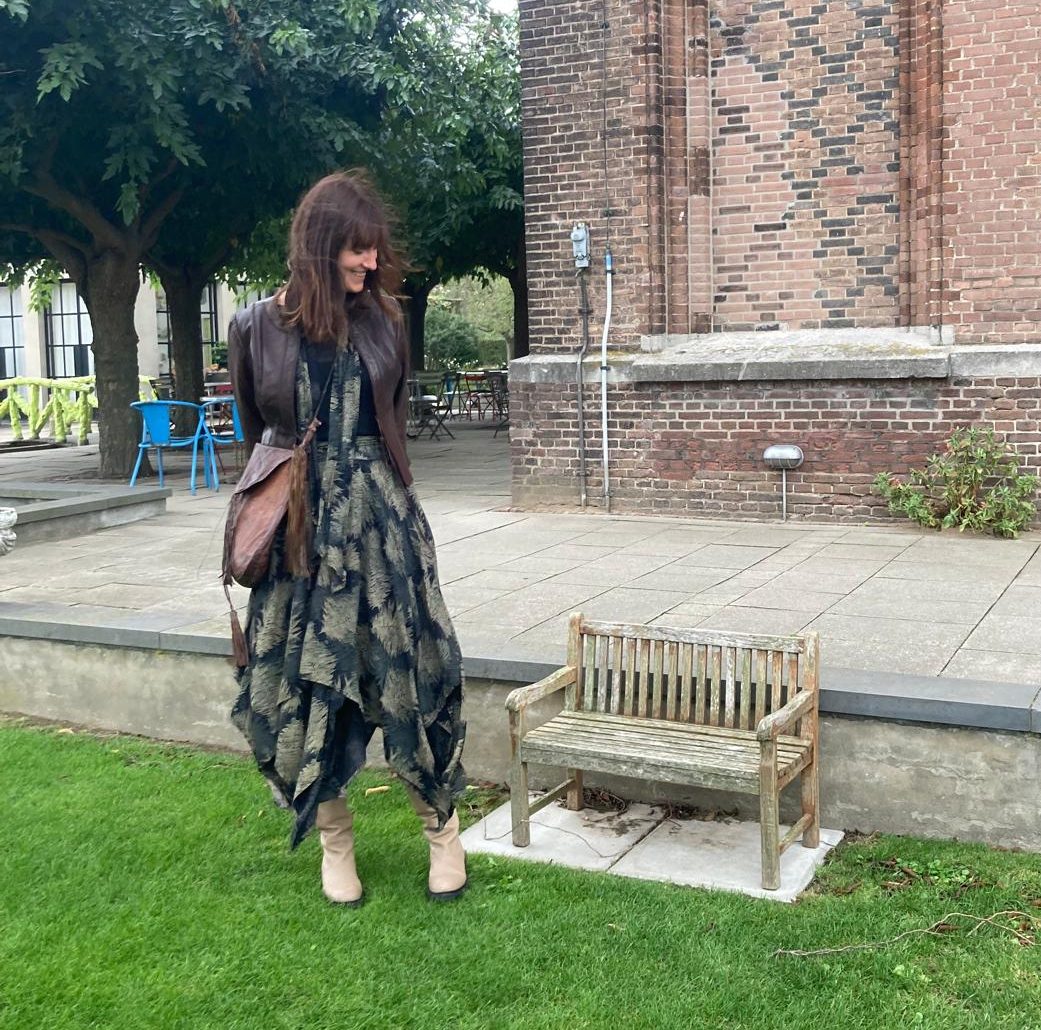

Women and sexuality; it has been a popular subject for ages, probably even since the cavemen days. But it is not just a topic for philosophers and elevated conversation at the dinner table. Throughout history, men in power have often tried to control, suppress and even claim women’s sexuality. These men want to take sexuality away from women to be its safe keeper, claiming it is for their own good. Ironically, the men who want to be women’s safe keepers often turn out to be the ones women need safekeeping from in the first place.
But it’s not just men in power. Women who enjoy their body and sexual energy, and dare to show this to the world, are often condemned for it by other women too. They are often considered to be promiscuous. Take for instance an entertainer like Beyoncé. She calls herself a feminist[1], but is not accepted as such by a lot of other self-proclaimed feminists around the world. Why? Among other reasons, because she expresses her sexuality in her art. And that, to some, is anti-feminist and something she only does because she knows sex sells. But how is it liberating for women if we’re just going from men telling women what (not) to do for their own protection, to women telling other women how they should not express their sexuality because it’s anti-feminist and degrading?
I dare to disagree. I believe a woman can enjoy her sexuality without it being degrading or only a tool to please another. Why would women’s sexuality and the expression of that sexuality in any shape or form be anti-feminist? I think it’s giving someone else the power to control it that is deeply anti-feminist.
There is still such a double standard when it comes to sexuality. A man being openly sexual and seductive is often looked up to, a woman is a slut.
The shorter the skirt, the less your opinion matters.
In this reasoning our sexuality only exists to please men, while at the same time it is considered degrading to be openly sexual as a woman. If you openly embrace your sexuality and feel powerful for being a sensual women, all too many will immediately dismiss you as a skank and stop listening to anything that comes out of your mouth. The shorter the skirt, the less your opinion matters. It’s a huge contradiction; a lot of the urge to control sexuality has to do with its power, and so the fearful (and wrong) reflex is to suppress, shame and silence it.
And where does this sexuality begin and end? Does this mean that, if I wear a short skirt, this can only be to please men and not because I think it’s beautiful? Am I provoking men consciously and willingly every time I wear high heels? Who should be the judge of that?
In my opinion no one should be. What is provoking to one person can be not sexual at all to another. While baring your shoulder can be provocative for one person, it can be perfectly okay for another. There are as many opinions on this subject as there are human beings, I suspect.
Sexuality is a beautiful part of the human adventure. Attraction is a magical thing. No one should be respected less for enjoying it a little.
In a perfect world, everyone would feel comfortable enough to wear whatever he or she wants and have fun with expressing themselves. Yay for diversity! Yay for feeling sexy, whether it’s by wearing sky-high heels or a dress suit. Maybe we should stop being so afraid of sexuality and have some more fun with it! Direct our outrage less at cleavage and more at, say, bombing and deforestation. Gun control sounds a lot more useful and reasonable to me than sexuality control.
One thing that is often overlooked in this whole discussion is respect. If we would all stop judging a woman in a short skirt and high heels and start respecting her as much as a woman in a business suit, I think the world would become a lovelier place for it.
[1] The definition of feminism that I feel comfortable using is: “The belief that men and women should have equal rights and opportunities. It is the theory of the political, economic and social equality of the sexes.” (See Emma Watson HeForShe speech)
 Ruth Van de steene